Uncategorized

AN EMPTY SEAT

AN EMPTY SEAT

September is Suicide Awareness & Prevention month. What does this mean? It means that it is all up to us to be aware of those around us and assess their behaviors, words, and patterns. Be extra kind to all, especially those who are displaying low energy, depression, anxiety, agitation, or sudden changes in their normal behavior, character, and personality. It is up to us to provide an additional dose of awareness to prevent suicidal actions or attempts, preventing the feeling of being alone, isolated, and not heard.

An empty seat…what does it mean to you? Are you a teen struggling with life’s challenges or an adult struggling in the work force? Wherever you are, is there an empty seat? It’s not just an empty seat. It is where your best friend sits, your co-worker, your boss, your teacher, your student, it can be anyone.

You have noticed subtle changes in their behavior or actions. The seat used to be filled with their presence, but you’ve noticed more and more their absence. The last time you saw them, they snapped at you, which is unlike them. This is not their normal characteristic. They’ve been struggling to keep up with their assignments when they are normally the one who helps you, but when you offer to help them, they graciously decline with the statement, “that’s okay, it doesn’t matter anyway.” Somehow, that statement makes your stomach drop, but you don’t know why.

You have noticed a change in their appearance and hygiene. You’ve noticed drastic weight gain or weight loss and differences in their eating habits. You’ve commented on their clothing choices of wearing long sleeve sweatshirts and jeans in the hotter months; however, their comments stated that they are cold or raise their shoulders that it isn’t a big deal. You notice the subtle ways they cover themselves up when looked at too intently, shifting their gaze.

You can’t help but noticing them withdrawing from normal activities they used to enjoy, making excuses when asked to hang out, and complaining more about physical ailments, such as stomach aches, headaches, or just too tired. You have noticed that they say all too much, that they are just tired.

The empty seat has now grown to be the empty seat in the car, the empty seat at the dinner table, the empty seat at the park, an empty seat in their bedroom, an empty seat in your life.

You wish you had noticed the warning signs to suicide when it had been just an empty seat. You wished you asked, “I have noticed you haven’t seemed yourself lately. I’ve missed hanging out with you. I have noticed you’ve been absent and withdrawing (or whatever the circumstance) from activities. Sometimes when people experience things like that, they might be thinking of suicide. Are you thinking of suicide?”

By knowing the warning signs to suicide, suicide awareness can help to prevent suicide, filling that empty seat with their existence, instead of a memory of who they were, but with who they are and will be.

If you or someone you know is showing signs of suicide, having thoughts or ideations, there are resources to help:

Suicide Prevention Resource Center

www.sprc.org

Take Action for Mental Health

www.takeaction4mh.com

Make the Connection – Support for Veterans

www.maketheconnection.net

The Trevor Project – Support for LGBTQ youth

www.trevorproject.org

National Suicide Prevention Lifeline

1-800-273-TALK, or text 988

Resources for those who have lost someone to suicide:

Survivors After Suicide Program

www.didihirsch.org

Friends for Survival

www.friendsforsurvival.org

American Association of Suicidology

American Association of Suicidology – Together, We Will Make An Impact!

Uncategorized

BUILDING A BARN – PART 1

PEERING THROUGH THE WINDOW OF TOMORROW – BUILDING A BARN PART 1

When we started this process for advocating the production of building an emotional support horse therapy ranch back in the year 2019, we had no idea how we were going to make this goal come true.

At first, we looked for a property in Temecula, California. We found a lovely parcel of land with the hopes of building our horse ranch there. Due to life’s mysteries, we were pulled out of California and into Missoula, Montana. Once in Montana, we registered The Jewels’ Angels Foundation as a foreign non-profit organization, allowing us to provide our serves in three states, California, Montana, and Washington, while our headquarters remain in California.

As time would tell, our foundation was presented with an amazing opportunity to start our building in the small, quaint town of Anaconda, Montana, about ninety miles from Missoula, strengthening our business model. We are proud to be calling Anaconda our new location for our beautiful program, Jewels’ Angels Ranch.

Our emotional support horse therapy program will be servicing Western Montana, within the communities of Anaconda, Deer Lodge, Butte, Missoula, Helena, and Phillipsburg, to name a few. However, it doesn’t matter how far away you are because all are welcome.

We are so excited to have started building our horse barn. We are still on course for our grand opening in the summer of 2025.

Horse therapy offers a number of benefits, both physical and emotional, fostering a non-verbal communication between a horse and a teen by strengthening the emotional bond, allowing them to communicate without words. Our program will include the following:

Physical benefits

  • Balance
  • Muscle building
  • Strength
  • Relaxation

   Emotional benefits

  • Building self-esteem
  • Empowerment
  • Patience
  • Regaining trust
  • Feeling acceptance
  • Improved concentration
  • Self-respect
  • Confidence

Continue to follow us on our journey establishing a safe place for teens and young adults to learn more about themselves, their strengths, and their ability to overcoming challenges and struggles that young people face daily. Every young person will learn more about horses, caring for them, and loving them. They will also learn about themselves, improve their self-esteem, confidence, self-empowerment, and self-love. As individuals and as a community, our program will be effective because you matter, and we do not experience this journey alone. And always remember, you are not alone.

Uncategorized

Never Stop Believing in your Dreams

NEVER STOP BELIEVING IN YOUR DREAMS

When I think about the good-old west, Montana comes to mind. It is a place where horses run free, blue topped mountain tops with cascades of white drifting down into pastures of green, gentle rivers flowing effortlessly down stream while casual floaters carelessly drift past, under the summer sun, and where a handshake still means something. This is what I think of when I think about what Montana is and what it means to me. A perfect place to build a ranch.

The Jewels’ Angles Foundation, Inc.’s – Jewels’ Angels Ranch. I thought it would be fun to share our building journey with you. The grand opening of the Jewels’ Angels’ Emotional Support Horse Therapy Ranch has moved to June 2025. We have broken ground in Anaconda, Montana. We will continue to update you on our progress, and we hope you will follow us through this process, on this exciting expedition.

Our program is set up to target teens between the ages of ten and eighteen years of age, who would benefit from working side by side with a rescue horse and team mentor. We will be teaching our clients about developing stronger self-esteem, self-confidence, and self-empowerment skills, while learning the benefits of quality time, exploring nature, on a horse ranch, surrounded by love, kindness and the gentleness of a soft, wet nose sniffing your hand – a time for self-reflection. You do not need to be struggling with suicidal ideations or thoughts to be a part of our program; however, we will be strongly focusing on this area.

Horse therapy offers many benefits, both physical and emotional, offering a non-verbal communication between a horse and a teen by strengthening the emotional bond, allowing them to communicate without words:

Physical benefits

  • Balance
  • Muscle building
  • Strength
  • Relaxation

   Emotional benefits

  • Building self-esteem
  • Empowerment
  • Patience
  • Regaining trust
  • Feeling acceptance
  • Improved concentration
  • Self-respect
  • Confidence

Horse therapy allows individuals to learn to live in the present by spending time outdoors and with nature, bringing comfort back into their lives and broadening their senses.

Studies show that interacting with a horse is to deal with their mood swings, attitudes, and unique personalities, making their temperament like that of a teenager during their adolescent years.

Our program provides a healthy and healing atmosphere for the teen and young adult, allowing them to bond and connect with a horse trained for emotional healing, with an emphasis on educating about the importance of establishing a healthy, mental well-being, as an alternative to making poor choices; by providing them with a sense of belonging and self-love.

We offer supportive, boys, girls, and co-ed groups, led by dynamic, responsible, and well-trained leaders, including our horses, teaching teens the ability to learn about themselves individually through acceptance and personal growth.

Please continue to follow us on our journey as we maintain our exploration into the exciting world of building a ranch in Montana.

Uncategorized

SUICIDE – THE DIAGNOSIS

SUICIDE – THE DIAGNOSIS

Suicide is an action taken by an individual who is struggling with a major mental health issue and experiencing symptoms of worthlessness and low mood, to name a few. Depression and/or anxiety are some mental health struggles that people who commit suicide have. You will not find suicide as its own distinctive mental disorder in the DSM-5 manual (Diagnostic and Statistical Manual of Mental Disorders) or will you.

According to the DSM-5 manual, a new finding has been introduced, called SBD for Suicide Behavioral Disorder. SBD is defined as: the individual has made a suicide attempt within the past two years, the criterion for non-suicidal self-injurious behavior is not met during the attempts, the diagnosis is not applied to preparation for a suicide attempt, or suicidal ideation, the act was not attempted during an altered mental state, and the act was not ideologically motivated, according to the website -Theravive. (Suicidal Behavior Disorder DSM-5 – Therapedia (theravive.com))

I am pleased we are taking this additional step towards a better understanding of what suicide means because I was lost and confused after losing my teenage daughter to suicide in 2016. I understood she struggled with depression and anxiety, but to what extent, was beyond my recollection. Perhaps it is because a lot of individuals battle with depression and anxiety, but not all will die by suicide. So where is the correlation and disconnect between those who will die by suicide and those who will live with the detrimental effects of depression and anxiety.

In the past, suicide was thought of as a “symptom” or “an action”, stemming from an individual with a diagnosis of either major depressive disorder or borderline personality disorder. I had always thought that suicide should have its own diagnosis, rather than an occurrence.

It may be helpful, not only for the patient, but the clinician treating the patient because certain precautions can be quickly addressed.

This new diagnosis has the potential to have a huge impact on addressing the true symptoms and dangers associated with suicide and not only depression – ranging from mild to major. Perhaps this is one piece to better understanding suicide, is by addressing the actual disease, called suicide.

I continue to believe that by having this diagnosis it has the potential to bring some relief to the individuals struggling with SBD. Being misdiagnosed is frustrating, making a person feel even more alone and isolated, subsequently one of the warning signs to suicidal ideations.

Furthermore, having a diagnosis that targets the intended problem, helps those individuals say, “You get it, I feel less misunderstood, thank you.” Depression, by itself, is scary enough, but when you are diagnosed with mild depression but feel like your world is falling apart, it can create a panic within you that shouts out “I can’t do this anymore!”

I feel comforted in knowing that the field of psychology is making moves in a positive direction, looking for answers to our suicide statistics and why they are increasing instead of decreasing. We seem to be taking the correct steps to minimize the effects of suicide; however, the statistical numbers are not reflected in this effort. We live in a world where we are communicating more, speaking out about suicide and mental health, yet we are still losing innocent people to this disease called suicide. We are missing something, but what is the common link? However, I am hopeful, as a society and individually, that we are making a positive impact. If we all fight this battle together, as a community, I have faith that we will find a cure for this horrific disease, called suicide.

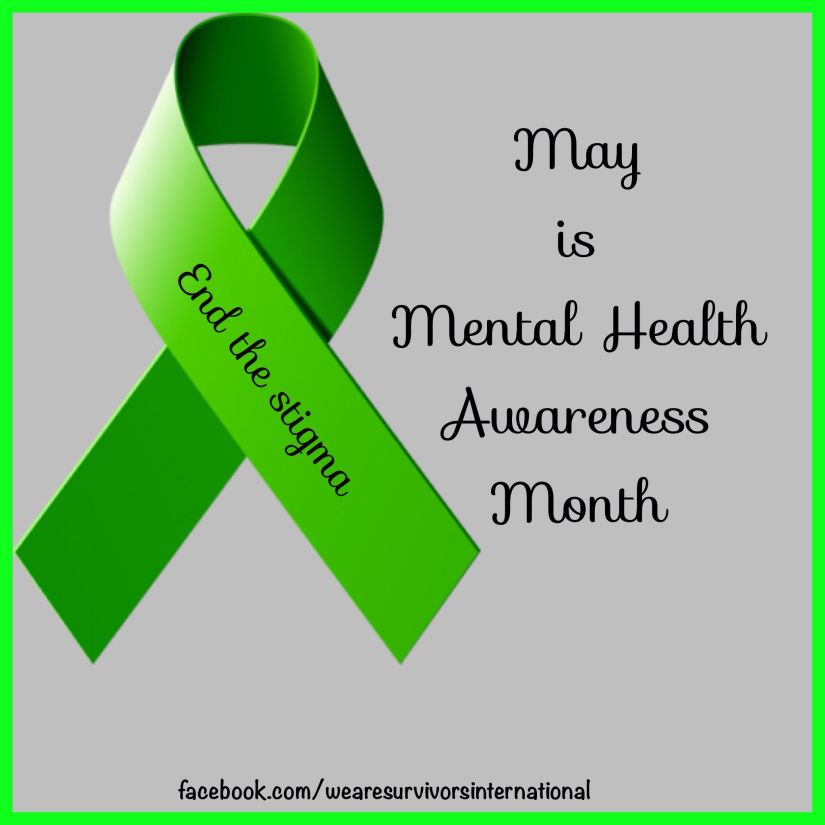
If you or someone you know is struggling with suicidal thoughts or ideations, it is NOT too late. Visit the NAMI website (National Hotline for Mental Health Crises and Suicide Prevention | NAMI) or text 988. As always, remember to be kind to those whom you encounter during the day. You never know what they may be going through. May is Mental Health Awareness Month.

Please keep Grayson Murray’s family, friends, and community in our hearts, we lost him to suicide this past May 25, 2024!

Uncategorized

The Innocence of a Child

THE INNOCENCE OF A CHILD

Growing up in the 1980’s, the discussion around the dinner table wasn’t about our mental health, nor was it talked about in our household for that matter. If one of us was feeling depressed or sad, we didn’t bring it up, we just accepted that we were feeling down or having “the blues”. And with that, we were given our privacy to figure it out.

I struggled with anxiety and social anxiety growing up as a kid. I felt as if I was the only person in the world with this overwhelming feeling because we didn’t talk about it with our parents, our friends, or at least I didn’t.

Television back in the 1980’s was to be desired. We didn’t have much of a selection flipping through the twelve channels, and even less of a selection during the weekends. I remember watching shows like “Happy Days”, “The Munsters”, and “Popeye”, sitting in the living room with my family. We didn’t have much privacy, such as watching television in our bedroom because most of the time we only had one television that was in the family room for the entire family to share. Not having a television in our room meant we couldn’t stay in bed past bedtime or all morning, watching television. Friday nights we watched “Wonder Woman” and Sunday nights a movie of the week came on. We didn’t know any better, but to say our television exposure to the world was monitored wouldn’t be incorrect.

When we got bored, we would have to find something to do, whether we went over to our friends’ house, had our friends come over, or played by ourselves, inventing things, such as playing in the dirt, using our imaginations and role playing based off our favorite television shows.

Recently, I remembered having a conversation like this with my dad, who was a licensed therapist and psychologist, about how much the world has changed for our youth. We discussed the similarities and differences between him growing up in the 1950s and me growing up in the 1980s, although we had big differences, the one thing that remained constant was the ability for parents to monitor outside influences, as they interacted within their children’s world.

Television replaced the radio and yes during that time our grandparents were devasted with the corruption television and movie cinemas might produce in the innocent minds of their youth, but did it? Although new inventions continued to evolve into the perspectives of our youth, they continued to entertain themselves in a relatively similar aspect.

We used our creativity, our artistic minds to recreate, draw, paint, write, play musical instruments, and read. I can’t count the amount of time I spent with my nose in my favorite book, learning about the world, traveling to new places, meeting new people, and learning new ideas, thoughts, and theories through reading.

We didn’t have the privacy our youth has today. Our telephones were in the kitchen or down the hallway, where our conversations were free for all to hear. We didn’t lock ourselves up in our bedrooms for hours or days playing video games, or on a computer, cell phones, or whatever devices we now have access to. Do I think cell phones and new technologies are great? Yes, I do. I love mine and couldn’t imagine a world without them; however, they should be used for what they were meant to do, business, not a toy or entertainment for our youth, becoming their babysitters.

Back to the beginning of my point, does each generation struggle with the same mental health issues? Yes, however, the primary difference is in how it is handled today. We, as parents, tell our youth to communicate, speak up about how they’re feeling, start a conversation. These are all great tips, but we need to pay attention to the amount of time they are spending alone, in isolation.

The definition of isolation is the state of one who is alone. Perhaps a better definition would be “seclusion”, the deliberate withdrawal from others. Because to isolate would indicate to be alone; however, interacting on social media or via cell phone texting is not technically isolating. Secluding oneself from going out to play in nature, role playing, music, sports, or spending time with family, is not always healthy and requires balance.

We have so many privacy laws, but we are forgetting the very important lesson and that is that privacy and seclusion is killing our youth, especially after COVID hit in early 2020, creating more isolation and seclusion from interacting with people. These privacy laws are protecting the big corporations, but we need better protection for our youth. When does privacy become detrimental? It becomes detrimental when our youth chooses to talk with strangers, via social media, internet – rather than within their own circle, including, parents, siblings, or mentors. It becomes detrimental when they spend too much time alone, when their thoughts become toxic because they aren’t utilizing a positive outlet, like play, imagination, art and/or music.

Privacy, a word meant to protect us, but does it? So, this is to all the parents – talk to your kids, teens, spend quality time with them, know their friends, keep them active, and most of all, be aware of their time and if they are spending too much time alone, in seclusion. Our job is to read between the lines when they tell us that they’re okay, but in reality, they are not okay.

If someone you know is struggling with suicidal thoughts or ideations, there is help. Ask someone you trust for help or text the Suicide and Crisis Lifeline at 988, because you are not alone.

Uncategorized

AVOIDANCE

Avoidance is the action of preventing something from happening. We all have avoided something, whether it is an unpleasant phone call, confronting someone, or social instances. However, avoidance may be more complicated than merely feeling physically uncomfortable.

I have recently been studying more about the symptoms caused by post-traumatic stress disorder (PTSD). Avoidance may be associated with this disorder. During a traumatic situation, our minds can shut down to protect ourselves from the trauma. And one of the ways to shut down may be with avoidance.

I am not a therapist, but I do have personal experience with this topic. I will never forget the details of the night my daughter died. The memories are forever etched into my memory. The months and years after this horrific event were filled with unbearable pain and healing, but somewhere along my path of acceptance and healing, I learned to push my feelings down deep inside of my mind to allow myself to function throughout the day, as best I could. This strategy permitted me to get through my days by putting the tragic event into an invisible box, in the back of my mind, to deal with later, for when I had time to cry, be angry, or zone out. Although this helped me get through the day, pieces of that traumatic day got stuck somewhere in my subconscious, remaining unseen, but not forgotten.

Often during the day, when something reminds me of my daughter, suicide or any memory associated with her, I feel my body reacting with a racing heart, shortness of breath, dizziness, or headache. It may be one or two of these symptoms, or sometimes all of them flood me with overwhelming anxiety. But when I try to locate the point of discomfort, the memory, I am at a loss, not knowing where the anxiety is coming from nor what emotion it is attached to. Why? Because I have learned how to avoid unpleasant memories too well, and now I have learned how to avoid them, but this is not an effective strategy because avoidance creates triggers.

The definition of a trigger is a negative reaction to a traumatic memory, creating a physical and emotional reaction. There are specific therapy types to help someone struggling with triggers, such as exposure therapy and EMDR (eye movement desensitization and reprocessing).

Keeping a journal nearby helps me to record my physical reactions to triggers, such as when I feel my body tense, my heart rate increasing and/or dizziness – I recollect what my thoughts were in that moment before I felt the physical reaction. Writing this blog has created the racing heart, shortness of breath and tightness in my chest, with a spacy feeling. These are all silent reactions happening inside my body that nobody notices, but me.

According to NAMI (National Alliance on Mental Illness), triggers are individualized experiences that vary widely from person to person. Understanding Mental Illness Triggers | NAMI: National Alliance on Mental Illness

In conclusion, as part of the grieving process we may want to avoid our unpleasant thoughts and memories; however, it is important to recognize this unconscious tactic and bring it to the surface by recognizing the physical symptoms while attaching it to an emotional response and reason for the thought.

If you or someone you know is struggling with suicidal thoughts or ideations, talk with someone you trust or text the Suicide Crisis and Lifeline at 988. And always remember that you are not alone, and you matter!

Uncategorized

A Path to Self-Discovery

I struggle with the negative demons inside my head. What I am talking about is called negative self-talk.  We all have it from time to time, but what I am speaking on is when negative self-talk begins to affect your daily activities. Since they are inside our heads, others may not see our suffering, but trust me, it can be exhausting to have to battle, sometimes daily, with our negative thoughts’ day in and day out.

Days filled with deliberating stressors may sap our energy, whereas, fighting off the negative thoughts that are floating around in our brains, which can and often turns into anxiety, self-loathing, and depression.

I tried something new this week that I would like to share with you. Remember to be patient with yourself during your healing journey because a new habit may take up to two weeks before it develops into a permanent habit. Our bad habits do not dissipate overnight, but I think within two weeks’ time, is a fair assessment and worth it, allowing us to be better than we were yesterday. If I can be better tomorrow than I was today, it helps me to continue my path to a more positive self-discovery by gaining more confidence, with a higher self-esteem.

What I try to do when I notice the soft-spoken, but persistent negative self-talk, whispering such things as, “why didn’t you stand up for yourself…you’re going to let them treat you like that?”. What the old me would do with this information would be to begin the treacherous process of beating up on myself with the lack of supporting words like, “they are right, maybe it is my fault.”

However, I no longer follow this destructive path, but instead I change my thoughts and inner voice to something more positive, and convincing, such as, “it wasn’t worth the battle”, “I have the right to my opinion as well as you do”. When you are ready, ask them to sit down with you so that you can privately speak to them about what you don’t like with an understanding to changing for the better.

We all can make positive changes in our daily decisions, resulting in the permanent changes we create within our lives. Our decisions are our own to be made. By respecting ourselves, we create healthy relationships, honor positive decisions, and take responsibility for our actions, without blaming others for our choices. Every day is a new beginning to be the best we can be. Don’t let yesterday define who you are today, and don’t allow it to hinder your new promises for tomorrow.

Uncategorized

Suicide Prevention Awareness

SEPTEMBER IS NATIONAL SUICIDE PREVENTION AWARENESS MONTH

The month of September is National Suicide Prevention Awareness Month. Unfortunately, we all know that suicidal ideations, thoughts, and completing a suicide, are not designated to only the month of September, it can happen anytime of the year, but this month is a special time for all of us. It is time for us to take time out to care for ourselves, pay attention to our loved ones who may be struggling and need a little extra support, or to simply be kind to all those whom we encounter during the day. It is amazing how a simple smile, hello, or you look nice today, can make a huge impact in someone’s life.

Taking time out of our busy schedules to devote some self-pampering is not only needed, but a necessity. Too many times we focus on being there for those around us, our family members, co-workers, employees, and such, but we neglect to take care of our own needs. Self-love is so valued and not always recognized in our society. You can’t love someone else unless you truly love yourself and by taking time to reflect on self-care can make a difference in your mental and physical health, as well as those around you.

Some simple self-care tips can be:

  1. Treating yourself to your favorite beverage or treat
  2. Getting a massage
  3. Going on a walk to self-reflect
  4. Journaling
  5. Picking yourself a flower
  6. Exercise, such as yoga or swimming
  7. Meditation
  8. Reading
  9. Manicure or pedicure
  10. Bubble bath

We like to think that we are hypersensitive to our loved ones’ feelings and emotions, that we will be able to tell if something is bothering them. But this isn’t always true. The signs may be subtle at times, and don’t always catch our radar that something is wrong. Opening the lines of communication allows mutual communication, sanctioning someone who is struggling into a conversation. It is always nice to feel listened to, but during times of depression, stress, and overall challenges, our bodies weaken, becoming fatigued. When this happens, we let our defenses down, allowing feelings and emotions to sometimes get the best of us. Knowing that we have people around us who will listen is so helpful during those times of need.

People with depression may also be empaths, wanting to take care of others, however, often neglecting their own needs. They won’t reach out for help because they are the individual helping others and therefore, abandoning their own needs to ask for what they want or need. An empath is someone who feels other people’s feelings and emotions. This may be confusing to them, if they don’t understand it, for it may be hard to distinguish between some else’s feelings and emotions and their own.

Finally, be kind because you don’t know what some else may be going through in their own lives. Words do matter and hurt. The negative effects of social media have affected so many young people in a negative way, making words so important. Choose your words wisely because you cannot undo what has been said. The negativity of that sting lingers on, even after you’ve said you’re sorry. Instead choose positive words to uplift those around you. Be the light in someone’s life, not the darkness. Compliment often with a genuine intent. Laugh more. Smile more, but most of all, love more completely and deeply. Don’t take life for granted because we are not promised a tomorrow, all we have is today.

Uncategorized

A POEM ABOUT DEPRESSION

A POEM ABOUT DEPRESSION

In honor to Suicide Awareness Month coming up in September, I thought I would share a poem, from a person struggling, about depression:

Depression is not a choice. When people ask what it feels like, I don’t even have to think.

It’s like you’re underwater drowning. You forget how to swim. You used to know how, but not anymore. You’re incapable of swimming, so you sink to the bottom of the pool.

Nobody knows you’re drowning. They just think you’re underwater. Casually swimming and you try to call for help, but nobody can hear you. Even if they could, you’d be ashamed.

Your voice is gone. Your mind is all dark. No more everyday happy thoughts and people should not just say, “I’m depressed.” when they’re feeling down because depression is feeling down every day for months and years.

You’re in this sad box that is locked. You can’t escape. It’s become a part of you…your friend, that you don’t want. They will yell at you, scream at the top of their lungs. And you can try to get them to leave you alone, but they’re not going anywhere.

People will say it’s a phase and you wish it was, but it isn’t. You can’t just snap your fingers and be depression free. It takes a long time to recover.

Depression is not cute. It is not something you want. It is not a trend. It is an illness and a bad one too. Having depression is not a sad thought occasionally, it is not cutting yourself and showing everybody.

Really, it’s about not being able to get out of bed to shower, eat, start your day. It’s staying up until two in the morning thinking about things because you believe you’re a failure and that’s what it will get you to think.

You will begin to know to yourself that you’re useless, and that nobody will want you.

Sad, huh? It’s in your head. Depression is a bad illness and when people compare people who have depression, that’s even worse. Like you can’t become depressed because your parents got a divorce, because somebody else’s parents were killed.

You can’t put a price on sadness, and you’ll think, “Oh, God, please someone save me, anyone”, but the only person who could save you is yourself.

It will take a while too.

Do something you love, people will say. They clearly don’t understand that anything you do will not make you happy. You are sick…It isn’t a two-day thing, but I will not be shamed for my depression.

I will always have it in the back of my head, and even though it may make me want to give up, I will not. I will not give up when I have made it this far.

Don’t blame people who are trying hard to make it through their day. So, in the end, you have to remember: Depression is not a choice.

-Anonymous Author

Uncategorized

THE ART OF COMMUNICATION

THE ART OF COMMUNICATION

When we think about communication, what is the first thought that comes to your mind? We associate communication with speech. Speaking is a form of how we communicate with each other. We have learned that communication means speaking. But is it?

Communication is so much more than merely that of speaking. There are many other forms, such as, non-verbal, observation, and listening.

Let’s look at the communication between a mother and that of a child. Within the first year of life, children will start forming words, for example, they may say, “mama”, “dada”, “nana”, and “baba”. Since they are limited to certain sound structures, at first only certain words and sounds are created. Subsequently, some words may be distinguishable amongst the caregivers raising the child, but some are not as obvious to outsiders. Although, you often hear the parent shout out with enthusiasm, “Did you hear what he/she just said? They just asked for a banana.” We, as the primary caregivers can detect the word banana even though the child isn’t developmentally capable of forming these sounds yet. However, we understand their desire for the banana and think we hear them say banana from learned behavior or observation.

Another form of communication is “people watching”. This act of observing is non-verbal and left to our own interpretations of what we are viewing within their interactions. It is a form of communication but instead of it being ours, we are observing another; communication, as we interpret it.

Communication may also be intimate. It is wonderful to be close to someone, a significant other, our partner, and understanding them without any verbal communication. Simple gestures of body language, such as twirling one’s hair between their fingers can indicate to the other of discomfort or in deep thought. A sigh, suggesting frustration or even a certain smile between two people with so much understanding without any need for words. Smiles can allude to expressions of, “I’m not feeling well”, I feel safe with you”, and so much more.

And finally, listening. One of the most important, yet undervalued forms of communication, which is so often overlooked. So many of us can talk up a storm but lack the qualifications of being an effective listener. Without the ability to listen, you do not have valued communication. So many people miss the true meaning of the word, communication. Speaking and listening must be equally important. Communication is about understanding and without listening, you cannot understand the words that are being spoken.

So next time you are having a conversation, pay close attention that you are not merely communicating words, but are fully understanding and processing the subject that is being communicated.

Have fun with it too. Try your spoken communication, observing others around you, smile at a stranger, letting them know that you “see” them. Notice the world around you with all its splendor. Communication is all around us, be a part of it, in every aspect it is intended to be.